Shopify returns operations
We already have a returns app. Why would we add another one?
A returns portal handles the request, label and refund. A decision layer handles what happens to the item next. When you need both, and when you don't.
28 October 2026 · 3 min read · Taimoor ul Hassan, founder, WeaveCycle
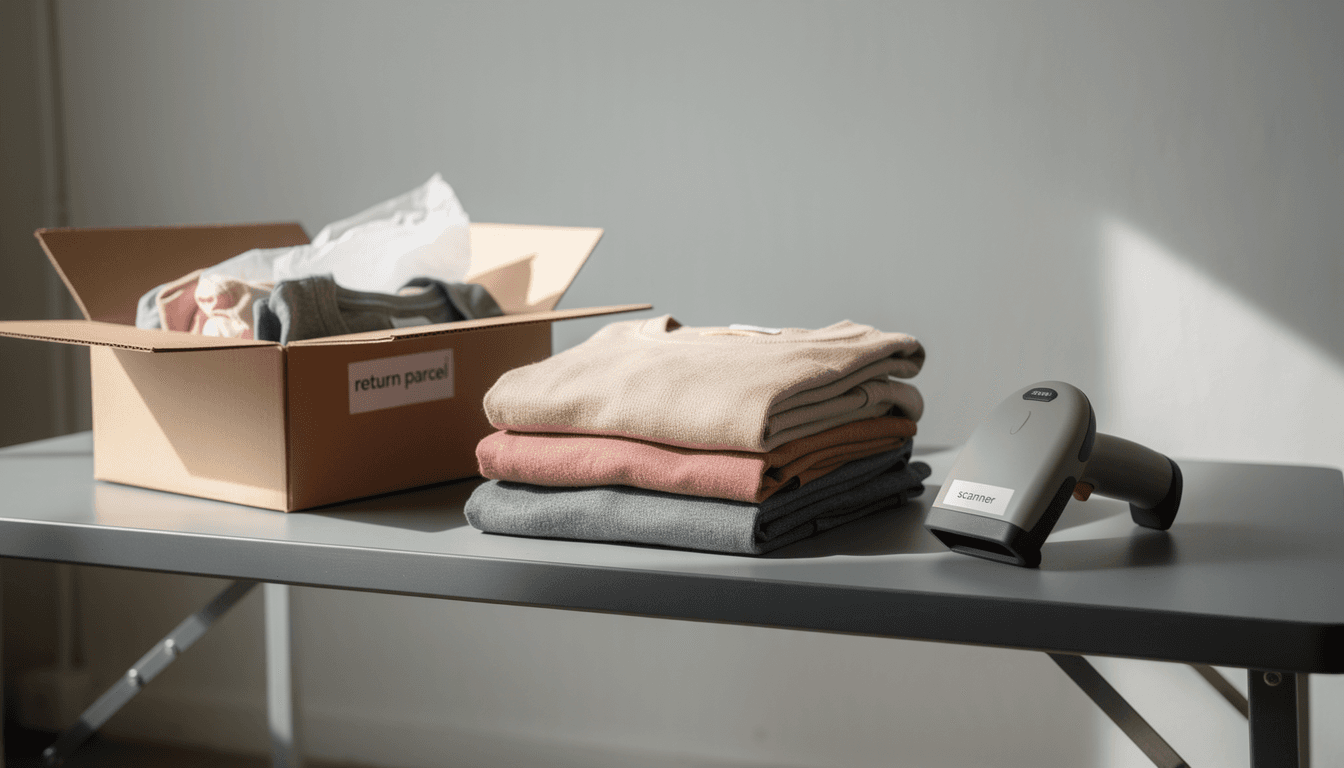
Because they do different jobs. A returns portal handles the customer side: the request, the label, exchanges, and the refund. A decision layer handles the item side: checking the claim before the refund, grading what comes back, choosing the route that recovers the most, and recording why. If your returns are low in volume and nearly everything goes straight back to stock, you may not need the second one. If returns pile up in a corner waiting for someone to decide, you do.
What returns portals are built for
Most Shopify returns apps are built around the moment of return: a branded portal, eligibility rules, labels, exchanges and store credit that keep revenue in the business, and the refund. Many also accept a photo from the customer. That is valuable work, and it is where most brands start.
Their job usually ends when the parcel is marked received and the refund is issued. What happens to the item next, whether it is restocked, sold at a discount, repaired, sold as a lot or written off, is typically left to the warehouse and a spreadsheet.
Where value leaks after the label
Around 20% of clothing bought online in Europe comes back (EEA). For each of those items, someone decides, often in seconds and without numbers, where it goes. Common leaks:
- items refunded before anyone checked the claim;
- inconsistent grading, so the same condition goes to different routes;
- no value on the routes, so "put it in the outlet pile" is the default;
- items that sit for weeks and miss their season;
- mixed pallets sent to liquidation with no per-item record.
What a decision layer adds
- A check before the refund. The customer's photo compared with what they ordered, so a wrong item or an unsupported claim is flagged while you can still act on it. See what a return photo can prove before you refund.
- One grading scale. The same A, B, C for every inspector, carried from the photo check to the bench.
- Routes with values. Each route your policy allows gets a value based on the item's price, its grade and your costs, and the best one is suggested. See restock, resell, repair or write off: how do you decide?
- A record of every decision. Who routed what, where, and why, including every disposal and its reason.
- A measure of what came back. Recovered value per returned item, not just return rate.
Does it change refund timing?
It can make it better informed. In the EU and UK you may hold a refund until the goods or proof of sending arrive, and must refund within 14 days of the withdrawal notice. A check at the request stage means a refund that has to go out before the parcel lands is still based on evidence. See can you inspect a return before you refund it?
When you probably do not need another tool
- Low return volume, handled by one person who grades consistently.
- Almost every return goes straight back to stock.
- No secondary channel, repair capacity or reason to track disposal.
In that case, a written grading scale and a shared spreadsheet are enough. Start with the condition grading checklist.
When you probably do
- Returns wait days or weeks for a decision.
- Different people route the same condition differently.
- You cannot say what your returns recovered last month.
- You are large enough that the EU destruction ban applies, and need to show why anything was disposed of.
How WeaveCycle works alongside a returns app
WeaveCycle installs on Shopify, reads your orders, and writes approved returns back to Shopify. Its own return portal checks the customer's photo before the refund for the reasons you choose. Returns created in Shopify by another app still arrive in WeaveCycle for grading and routing. Either way, it values each route by your numbers and records every decision. We are early and recruiting pilot brands, and we say so plainly. See how it works.