Shopify returns operations
Can I inspect a return before I refund it?
Yes, usually. In the EU and UK you can hold a refund until the goods are back or you get proof of sending, but you must refund within 14 days of the notice.
5 October 2026 · 4 min read · Taimoor ul Hassan, founder, WeaveCycle
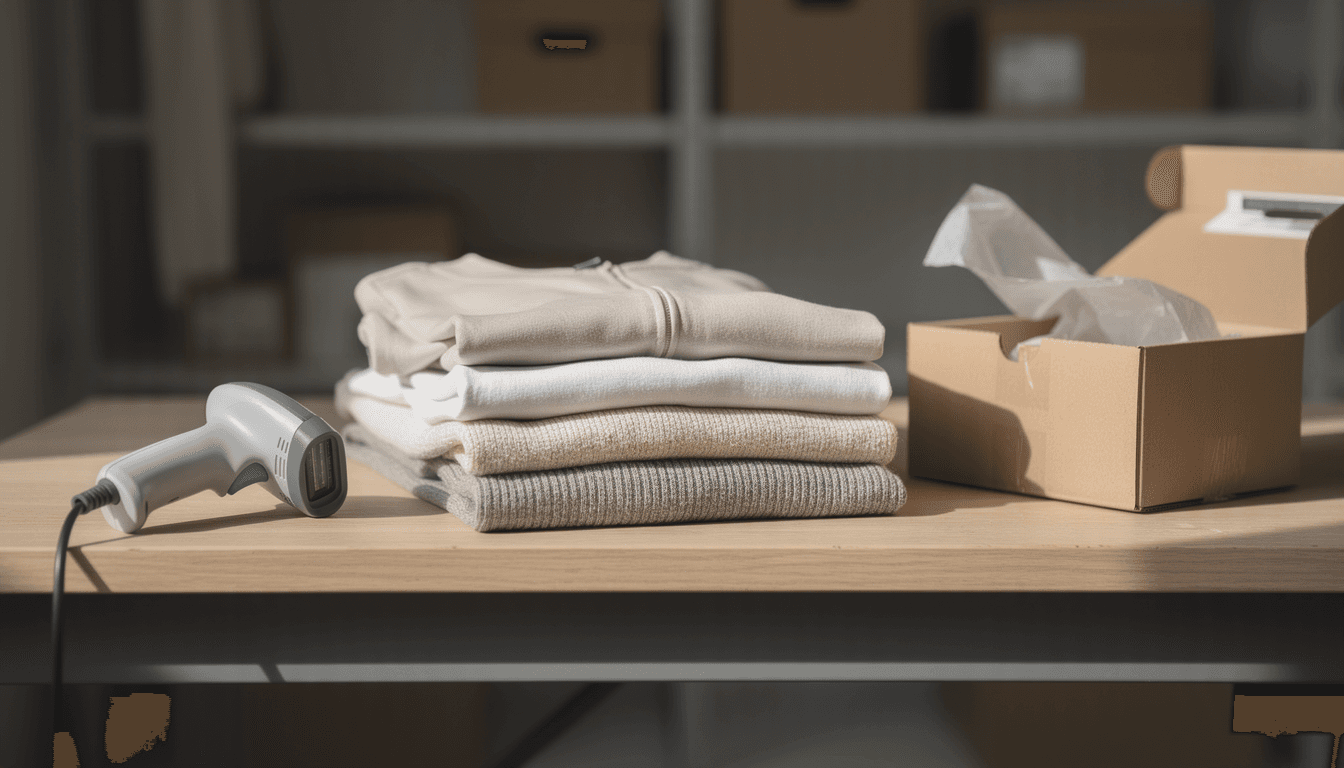
Usually, yes. In the EU and the UK you must refund a withdrawal within 14 days of the customer telling you they are withdrawing, but you may hold the refund until you have the goods back or the customer shows proof they sent them, whichever comes first. So you can inspect before refunding when the parcel arrives in time. You cannot refuse the refund because of what inspection finds, but you can deduct for loss of value caused by handling beyond what was needed to try the item.
This is general information, not legal advice. Your own policy can be more generous than the law, never less.
What does EU law say about refund timing?
The Consumer Rights Directive (2011/83/EU) sets the rules for online sales:
- The customer has 14 days from delivery to withdraw, without giving a reason (Article 9).
- You must reimburse without undue delay and within 14 days of being told about the withdrawal, using the same payment method unless the customer expressly agrees otherwise (Article 13(1)).
- Unless you offered to collect the goods, you may withhold the refund until you receive the goods back or the customer supplies evidence of having sent them, whichever is earlier (Article 13(3)).
- The customer is liable for any diminished value caused by handling beyond what is necessary to establish the nature, characteristics and functioning of the goods (Article 14(2)).
The UK has the same structure in the Consumer Contracts Regulations 2013.
So when does inspection fit?
Between the parcel arriving and the 14-day deadline. Three cases come up:
- The parcel arrives first. You have it in hand. Inspect it, then refund within the deadline.
- Proof of sending arrives first. A tracking number or drop-off receipt counts as evidence. From that point you cannot keep waiting for the parcel, so the refund may be due before you have inspected anything. This is the case to plan for.
- The deadline is close and nothing has arrived. You may hold the refund until the goods or proof of sending arrive, but not beyond.
Case 2 is why a check at the moment of the return request is valuable. A photo from the customer, checked against what they ordered, tells you before the parcel lands whether you are looking at the right item and a claim that holds up. See what a return photo can prove before you refund.
What can you do if the item comes back worn or damaged?
You can deduct for diminished value, not refuse the withdrawal. The customer may handle the item as they would in a shop: try it on, check the size, look at the stitching. Wearing it out, washing it or removing tags goes beyond that. Record what you found, with a photo, and deduct an amount that reflects the loss of value. See what to do when a returned garment looks washed or worn.
Some items can be excluded from the right of withdrawal altogether if you say so clearly before purchase, for example sealed goods that cannot be returned for hygiene reasons once unsealed, or items made to the customer's specification (Article 16).
What about faulty items?
Faulty goods are a different right with different time limits. In the EU the seller is liable for lack of conformity for at least two years (Directive (EU) 2019/771). In the UK the Consumer Rights Act 2015 gives a short-term right to reject within 30 days. A return that is outside your returns window can still be a valid claim for a fault. See if a return arrives outside policy, do you still inspect it?
What about the US?
There is no general federal right to return an online purchase. Your published policy is the contract, and some states set rules on how that policy must be displayed. Card network rules and chargebacks set the practical limits on how long a customer will wait. Inspect-then-refund is normal practice; state the timing in your policy and keep to it.
How to build it into your process
- Start the clock correctly. Log the date the customer told you they were withdrawing, not the date the parcel arrived.
- Treat proof of sending as a trigger. When a tracking scan shows the return in transit, count down from there.
- Inspect on arrival, the same day if you can. Every day a parcel waits eats into your 14 days. See how to stop refunds going out before a return is inspected.
- Never make store credit the default for a withdrawal. Offer it, and use it only when the customer expressly agrees.
- Record deductions with evidence. Grade, defect, photo and the amount deducted, on the return record.
How WeaveCycle fits
WeaveCycle's return portal can ask for a photo for the return reasons you choose and checks it against the ordered variant before the refund, so a refund that has to go out before the parcel arrives is still an informed one. Your return rules decide eligibility, and the refund itself is issued in Shopify. See how the photo check works.