Shopify returns operations
Can my 3PL inspect returns properly, or do I need a separate process?
A 3PL can inspect returns properly if someone owns the grading rules, the evidence and the exception queue. Questions to ask your 3PL before you decide.
23 November 2026 · 3 min read · Taimoor ul Hassan, founder, WeaveCycle
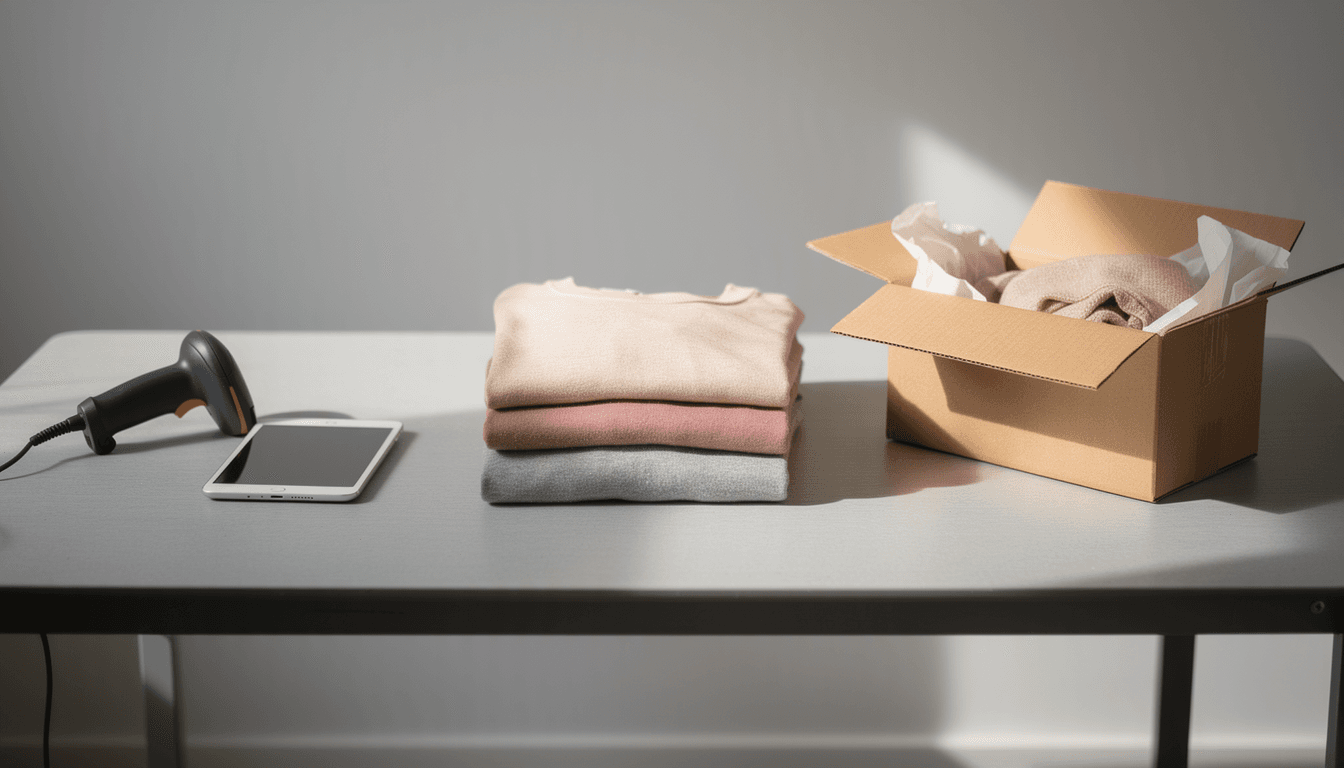
A 3PL can receive returns properly. It inspects them properly only when someone owns three things all the way to resale or rejection: the grading rules, the evidence, and the queue of borderline items. If your 3PL mainly scans units back in and restocks them, you need either an inspection layer you control inside the 3PL, or a separate process.
Receiving is not inspection
Booking a parcel in and matching it to an order is scanning. Inspection is judgement: condition, completeness, and which route the item should take. One shoe in the bag. A wet parcel with a crushed box. A broken zip on a return marked "too small". A scanner logs receipt. It does not decide where the item goes.
What proper returns inspection includes
- Identity: SKU, size and colour match the order; reason codes corrected when wrong.
- Condition: stains, pulls, tears, odour, structural damage, graded on your scale.
- Completeness: belts, spare buttons, packaging, both pieces of a set.
- Evidence: photos of faults and exceptions, linked to the item record.
- Hygiene: quarantine for contaminated items, with a time limit on the decision.
- Routing: written rules from grade to route, applied the same way every shift.
- Exceptions: an owned queue for borderline items, with a path to your approval.
When a 3PL setup is good enough
- A named person, at the 3PL or at your brand, owns returns judgement.
- Your written grading and routing rules are in use, not just on file.
- Photos are taken for exceptions and linked to the item.
- Exceptions have a time limit, so nothing sits indefinitely.
- There is a clear route for you to approve contested decisions.
- Someone samples graded items to check consistency.
- The 3PL's system records the grade and route per item and shares it with you.
When you need a separate process
- The 3PL follows generic receiving steps only.
- There are no photos, no grades, or no per-item records.
- Items are restocked on weak evidence, or hold cages fill up with no one deciding.
- Nothing connects the inspection result to resale or recovery.
Why it matters more in fashion
Around 20% of clothing bought online in Europe comes back (EEA), so small inconsistencies repeat thousands of times. Grading decides whether an item goes back to full-price stock, to a discount channel or out of sale. And if your company is large enough for the EU ban on destroying unsold clothing to apply, you need a documented reason for anything disposed of, whoever does the disposing. See the EU ban on destroying returned clothes.
Questions to ask your 3PL
- Who decides borderline items: the 3PL, someone at your brand, or a named escalation contact?
- Where are photos stored, and are they linked to the order and SKU?
- Whose grading rules do they use, and when were they last reviewed?
- What happens to incomplete sets and contaminated items, and how long can they wait?
- Who corrects wrong reason codes?
- Can you get a per-item export of grade, route and date?
- What happens to items they dispose of, and what record do you get?
Bottom line
It is not about whether returns sit in a 3PL building. It is about whether inspection has an owner, evidence and a path to the next commercial decision. If it does, the 3PL can do it. If not, keep the judgement in-house or give it to a tool you control. See what returns management covers and what your brand should own.
Where WeaveCycle fits
WeaveCycle keeps the grading scale, the routing rules and the per-item record under your control while the 3PL does the physical work: the grade and route are recorded against each returned item, and every disposal is logged with its reason. We are early and recruiting pilot brands. See how it works.